Cats are naturally territorial animals, and changes within their familiar environment can sometimes make them feel uncertain, stressed, or protective of their space. This can happen when a new cat joins the household, but it can also occur when unfamiliar people, visitors, or new family members enter their environment.
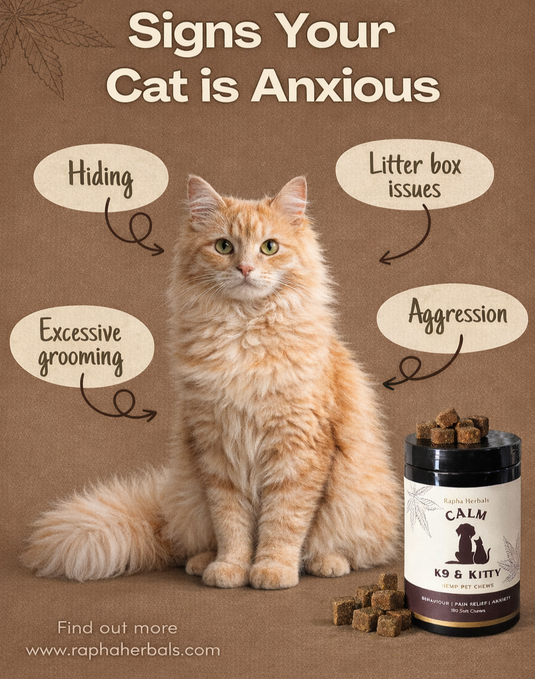
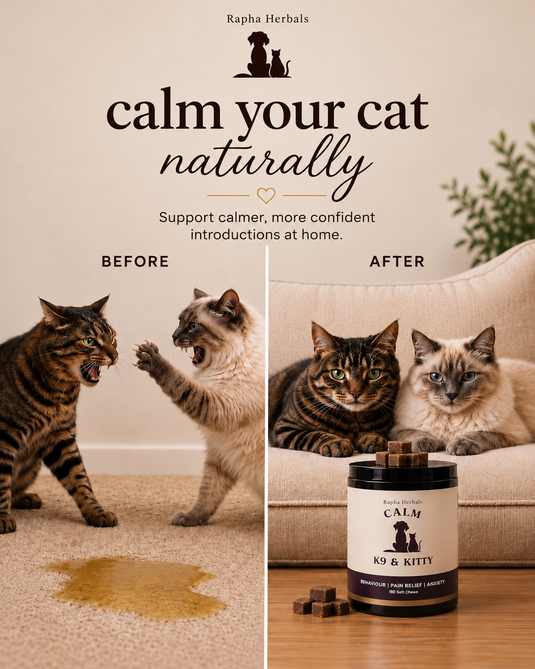
Territorial aggression in cats can appear in different ways, including hissing, growling, chasing, scratching, hiding, excessive vocalization, urine marking, or noticeable changes in their normal behavior. These reactions are often signs that a cat is feeling overwhelmed or unsure about a change in their environment.
Whether the change involves another cat or a new person, patience and gradual exposure are important. Giving your cat time, space, and positive experiences can help them feel more secure and comfortable.
Helping Cats Adjust to a New Companion
When introducing a new cat into the household, creating a safe, separate environment is an important first step. The new cat should have a dedicated room where they can settle in comfortably without feeling pressured.
This safe space should include food and water, a litter tray, a scratching post, comfortable bedding, and toys.
Keeping cats separated initially allows them to adjust without immediately feeling threatened. During this early stage, avoiding visual contact can help both cats relax and become familiar with the change at their own pace.
A consistent feeding routine can also be helpful. Moving from free feeding to scheduled meals provides structure and makes food a positive reward during the introduction process.
Building Familiarity Through Scent
Cats rely heavily on scent to understand their environment. Before cats meet face-to-face, allowing them to become familiar with each other’s smell can make the introduction easier.
Blankets, beds, toys, and other items carrying each cat’s scent can be swapped between their spaces. When a cat calmly investigates a new scent, treats and positive attention can help build a positive association.
Site swapping can also be useful. One cat can explore the other cat’s area while they remain safely separated. This allows both cats to experience each other’s scent throughout the home without the pressure of direct interaction.
Creating Positive Associations
Once both cats are comfortable with each other’s scent, food can help strengthen positive associations.
Place their food bowls on opposite sides of a closed door. Start far enough away that both cats can eat comfortably without hissing or growling.
As they become more relaxed, gradually move the bowls closer to the door during meal times. Over time, this can help them associate the other cat's smell and presence with something enjoyable.
Controlled visual introductions can then begin using a secure baby gate, screen door, or a slightly opened door. A blanket or towel can initially cover the barrier and be gradually lifted as both cats become more comfortable.
Introducing New People Into Your Cat’s Environment
Territorial behavior is not limited to interactions with other cats. Some cats can also become stressed or defensive when unfamiliar people enter their home.
Visitors should avoid approaching, picking up, staring at, or trying to touch a nervous cat straight away. Instead, allow the cat to decide when they feel comfortable approaching.
Providing access to a quiet room, favorite bed, hiding place, or elevated area can give your cat somewhere safe to retreat if they feel overwhelmed.
Positive associations can also help here. A visitor can gently toss treats from a comfortable distance without forcing interaction. Over repeated visits, the cat may begin to associate that person with something positive.
Calm body language is equally important. Visitors should move slowly, avoid loud voices or sudden movements, and allow the cat plenty of personal space.
If someone new is moving into the home, such as a partner, family member, or flatmate, the introduction should also happen gradually. Let the cat become familiar with the person’s scent and presence before expecting direct interaction.
Supervised Time and Positive Experiences
When cats are ready for face-to-face interaction with another cat, keep the first meetings short and positive. Interactive toys, treats, and affection can help keep both cats relaxed and distracted.
Avoid prolonged staring between cats, as this can increase territorial tension. If possible, having two people present can make early introductions easier, with one person focused on each cat.
The same principle applies to unfamiliar people. Never force a cat to interact. Allowing them to approach in their own time helps build trust naturally.
Supporting Cats During Stressful Changes
Changes involving new pets or people can be stressful for some cats. Alongside gradual introductions and a calm environment, some owners may choose additional support during periods of change.
Rapha Herbals’ Calm K9 & Kitty is a calming, joint-support formula designed to help cats during stressful situations. Made with hemp, botanical mood enhancers, and calming herbs, it supports emotional balance and overall well-being.
It can be used as part of a wider approach when cats are adjusting to changes such as new pets, unfamiliar people, travel, separation, grooming, or other stressful situations.
Rapha Herbals is trusted by pet owners and has received 550+ 5-star Google reviews. For added peace of mind, Rapha Herbals also offers a 21-day money-back guarantee, giving pet owners extra confidence when choosing support for their cats.
Creating a Calm and Secure Environment
Every cat responds differently to change. Some may adjust quickly, while others may need days or weeks to become comfortable.
The key is not to rush introductions, whether your cat is meeting another animal or a new person. Giving them safe spaces, respecting their boundaries, and creating positive experiences can help reduce territorial tension.
With patience, consistency, and a supportive environment, cats can gradually become more comfortable around new cats and new people and feel more secure within their home.